Related Articles



[ad_1]

We canine fanatics don’t want convincing that our doggies are one of the crucial very best creatures to stroll this Earth, however there are nonetheless some misconceptions relating to our hairy buddies! There are a handful of myths that even canine fanatics nonetheless consider, and we’re right here to bust a number of the maximum not unusual ones. That’s to not say someone will have to be blamed for believing what they’ve heard, however the extra we learn about our doggies, the extra we will perceive them – and the extra we adore them!
1. You’ll confuse your rescue canine by way of converting his identify.
If you rescue a canine and don’t just like the identify he/she already has, chances are high that, converting it received’t be an issue. In truth, it may be a excellent factor.
“Names are a big deal for people, so most pet owners assume the same goes for their dogs,” says animal author Amber King. “The reality, however, is that dogs don’t think about their names the same way people do.”
Essentially, your canine’s identify is simply their cue to grasp you’re speaking to them!
Here are two extra issues to imagine: the refuge could have given assigned the canines new names, in order that they will not be too connected, anyway. Also, names can cling detrimental connotations from a doggies’ previous, like if their former homeowners used it to yell at them.

2. Dogs can handiest see in black and white.
Though this used to be as soon as broadly authorised as fact, new research have printed that this isn’t the case. Dog’s don’t see precisely like we do, however they are able to see positive colours.
“Basically, dogs are able to distinguish between yellows, blues, and violets; but cannot distinguish between reds, greens, and oranges,” explains author and previous vet tech Dina Fantegrossi.
With this information, domestic dog oldsters can higher perceive why their canine can’t appear to peer a crimson ball sitting within the inexperienced grass! It’s additionally vital to understand that pieces of those colours may just change into stumbling blocks in case your pooch can’t see them towards a crimson, inexperienced, or orange background.
three. A canine’s mouth is cleaner than a human’s.
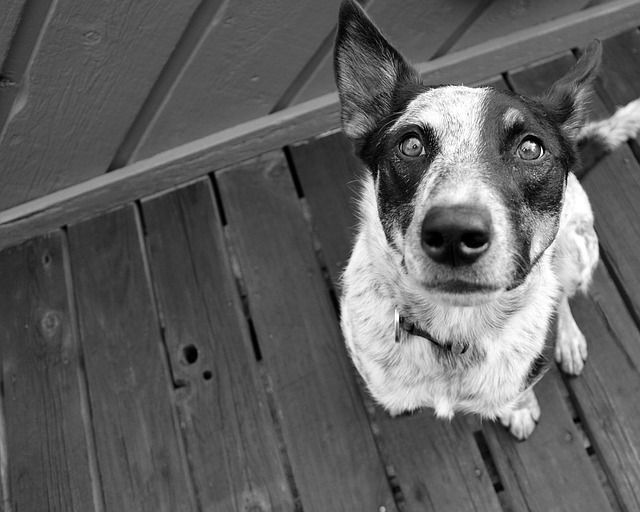
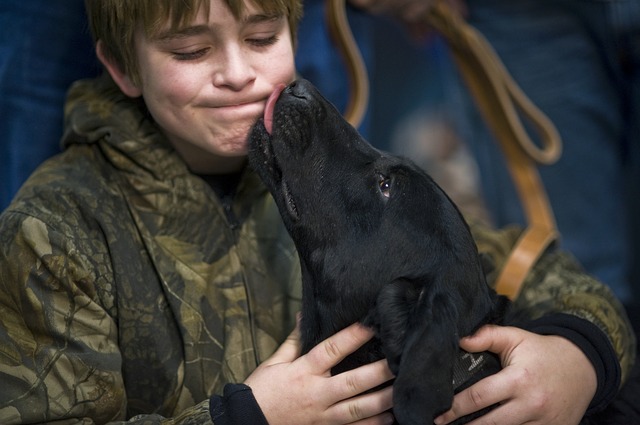
Sadly, this isn’t the case. Dogs could have other tolerances towards positive micro organism, nevertheless it does now not imply that their mouths are “cleaner” than a human’s. In truth, they have got plants of their mouths that don’t reside in ours, making it the entire extra dangerous in the event that they lick our open wounds. (And no, it’s now not steered you percentage licks of a vanilla ice cream cone together with your canine!)
four. If a canine’s tail is wagging, she will have to be at liberty.
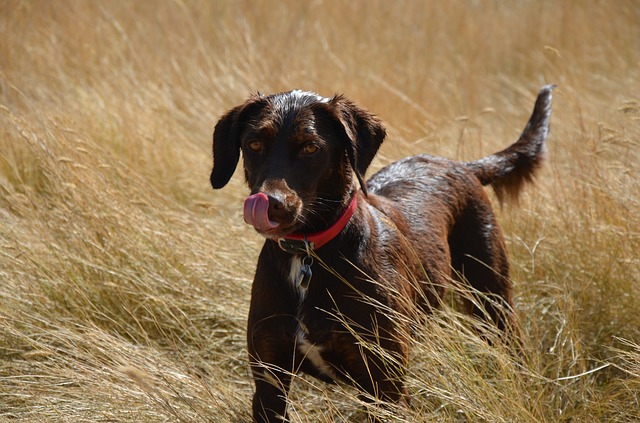
Sure, your loved one canine will furiously wag their tail whilst you stroll in the course of the door. But do you know that there are several types of tail wags for various feelings?
According to Psychology Today:
– The slight wags when assembly freshmen can be offering a tentative greeting
– A high-sitting tail making a brief, rapid back-and-forth movement may also be the show of a danger
– A large, swishing wag is pleasant and unchallenging
– The gradual wag of a tail “half-mast” is impartial, neither excited nor nervous.
five. You can’t educate an previous canine new methods.
Actually, sure you’ll! While they would possibly not have as a lot power as more youthful doggies, heart elderly to senior canines are simply as able to studying. In truth, their calmer, gentler demeanor will even paintings on your choose.
Adult canines are incessantly even more uncomplicated to coach than doggies, just because they be capable to center of attention for an extended time period,” says DogTime.com. “An adult dog has more control and normally does not have to go outside as often as a pup.”
This is particularly nice information in case you plan on adopting an older refuge canine!
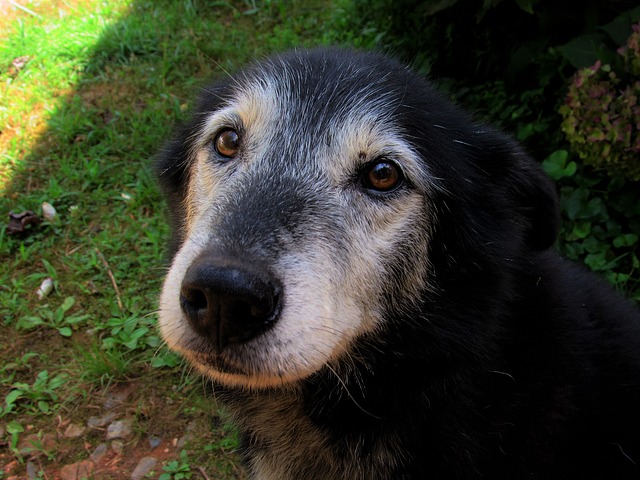
6. Dogs age 7 “human years” with each and every birthday.
To calculate your dog’s age in “human years,” you simply multiply how lengthy he’s been alive by way of 7, proper? Well, now not precisely.
Different canine breeds have other lifestyles expectations relying on genetic elements, like measurement. For example, Great Danes have a miles shorter lifestyles span than Chihuahuas, in order that they’re going to change into seniors a lot faster than their tiny opposite numbers.
For a greater concept of your domestic dog’s “age” relying on her breed, take a look at this text.

7. Certain canine breeds are “hypoallergenic.”
There are pets that experience hair shed little or no and pets that don’t have any hair in any respect. While hypersensitive reactions will not be as annoyed with any such pets, there’s no such factor as a canine that’s utterly hypoallergenic.
Dr. Kathryn Primm writes, “The allergens (proteins that cause allergic symptoms) are found in the animal’s dander (dead skin cells), saliva and urine. So unless we can find an animal with no skin, saliva or urine, we are going to have allergens no matter what the breed.”

eight. Dogs handiest devour grass once they’re now not feeling neatly.
While our doggies every now and then nibble on grass once they’re now not feeling neatly, that’s handiest one in every of a couple of causes that they experience munching at the greenery. It’s conceivable that they’re nutrient poor, and there’s additionally a concept that it’s an inclination that used to be inherited from our canines’ ancestors. Then, there’s the most straightforward reason why: it’s only a amusing and attractive interest that can in fact liberate dopamine of their brains!

9. If your canine’s nostril is heat or dry, it’s a trademark of sickness.
While you will have to at all times take note of adjustments on your canine’s conduct or bodily situation, in case your domestic dog’s nostril is generally heat and / or dry, it doesn’t essentially imply there’s one thing mistaken together with her.
“The temperature and moistness of your dog’s nose will depend on multiple factors, including his own body and the ambient temperature and humidity,” explains veterinarian Dr. Kathryn Primm. “A dog’s body temperature can normally range up to 102.5 degrees and still not be a fever. Inside your home, where the temperature and humidity are controlled, your dog’s nose might be dry or wet, warm or cool and still be alright.”